Everglades National Park: A Unique Wetland Ecosystem
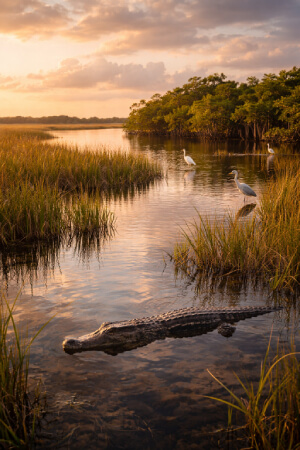
In true terms, the Everglades National Park is an eternal showcasing of an environment, which grazes over 1 and a half million acres of thick subtropical wilderness and boasts international renown for its ecological diversity. This park provides home to several endangered species, such as the Florida panther, the West Indian manatee, and the American crocodile. Riveting wetland areas of vast extension, deliberate watercourses, and vast prairie-like grass marshes plumb the expanded ecosystem that empowers the images honored by myriad birds and animals in this place.
Wildlife and Habitats
Everglades National Park features an extraordinary variety of habitats, from freshwater marshes to coastal mangroves. Birdwatchers can spot herons, egrets, and roseate spoonbills, while the waterways are home to alligators, turtles, and various fish species. Guided airboat tours and ranger-led walks provide in-depth exploration of these diverse ecosystems.
Recreational Opportunities
Visitors to the Everglades can enjoy activities such as kayaking, canoeing, and hiking along well-maintained trails. Camping options, from frontcountry sites to backcountry wilderness areas, allow for immersive nature experiences. The park also emphasizes conservation education, helping visitors understand the importance of preserving wetland environments.
Biscayne National Park: Coral Reefs and Coastal Beauty
Biscayne National Park, located near Miami protects a rare combination of offshore barrier reefs, islands, and coastal mangrove forests. Covering more than 170,000 acres, the site is predominately water-based with over 95% of it underwater, which provides a unique marine experience. The warm and clear waters provide an ideal spot for snorkeling, diving, and boating.
Marine Life and Coral Reefs
Biscayne National Park is home to vibrant coral reefs, seagrass beds, and mangrove islands that support fish, sea turtles, and manatees. The park’s coral reefs are part of the third-largest barrier reef system in the world, providing a living classroom for marine enthusiasts and researchers. Visitors can explore the reef ecosystems through guided snorkeling trips or private boat tours.
Exploring Islands and Cultural Sites
The park also preserves historical sites, such as the Elliott Key and Stiltsville, which reflect early settlement and maritime history. Kayaking through mangrove tunnels and hiking on island trails allows for both adventure and education, highlighting the delicate balance between human activity and natural preservation.
Dry Tortugas National Park: Remote Island Adventure
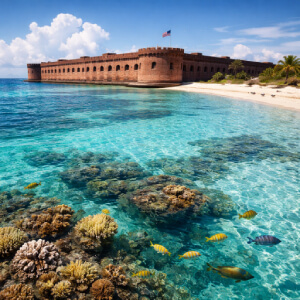
Located approximately 70 miles west of Key West, Dry Tortugas National Park consists of seven small islands surrounded by crystal-clear waters and extensive coral reefs. The park is best known for its historic Fort Jefferson, a 19th-century coastal fortress, and its exceptional opportunities for snorkeling, birdwatching, and diving. Its remote location makes it a unique destination for those seeking seclusion and adventure.
Fort Jefferson and History
Fort Jefferson dominates the largest island, Garden Key, and offers a glimpse into Florida’s military past. The fort, built in the 1800s to protect shipping routes, remains a key attraction, with guided tours explaining its historical significance and architectural features. Visitors can also explore the surrounding beaches and observe nesting seabirds.
Marine Recreation and Wildlife
The surrounding waters of Dry Tortugas are renowned for snorkeling and scuba diving, where colorful coral reefs and marine life abound. Loggerhead and green sea turtles frequent the area, along with a variety of tropical fish. The park also serves as a vital stopover for migratory birds, making it a popular site for bird enthusiasts.
Myakka River State Park: Forests, Rivers, and Wildlife
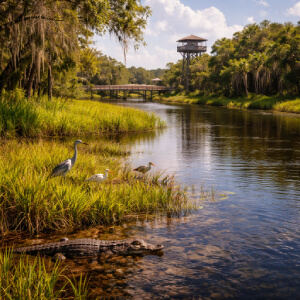
Myakka River State Park still remains one of the oldest and largest state park in Florida, showcasing habitats ranging from wetlands, through prairies and hammocks filled with wildlife. Beyond recreational facilities, the scene of the park attracts several families or nature lovers visiting.
Wildlife and Scenic Views
Visitors to Myakka River State Park can observe alligators, deer, and a wide variety of birds along the park’s river trails. The park features elevated boardwalks and observation towers, offering panoramic views of wetlands and forested areas. Photography enthusiasts and wildlife observers can capture Florida’s natural splendor up close.
Activities and Adventure
The park supports numerous outdoor activities, including hiking, biking, kayaking, and airboat tours along the river. Camping options range from cabins to full-service campgrounds, allowing visitors to extend their stay. Seasonal events, ranger-led programs, and guided nature walks enhance the educational and recreational experience.
Jonathan Dickinson State Park: Riverside Trails and Historical Insights
Jonathan Dickinson State Park, located in southeastern Florida, encompasses over 10,000 acres of pine flatwoods, river swamps, and lakes. Its combination of scenic trails, river access, and historical significance makes it a well-loved destination for hikers, paddlers, and history enthusiasts.
Nature Trails and Waterways
The park’s extensive trail system allows visitors to explore diverse ecosystems on foot or by bike. The Loxahatchee River, designated as a Wild and Scenic River, runs through the park, offering opportunities for canoeing, kayaking, and fishing. Birdwatchers can spot egrets, herons, and ospreys in the park’s varied habitats.
Historical and Cultural Features
Jonathan Dickinson State Park is also home to the historic Hobe House and sites associated with early settlers. Educational programs highlight both the region’s natural and cultural history, providing a well-rounded experience for visitors. Picnicking, camping, and seasonal events complement the park’s recreational offerings.
Why Florida’s Parks Are Worth Visiting
Florida's park service through the state parks reflects a wide array of ecological systems spanning the diverse habitats of wetlands, rivers, coral reefs, and pine forests.
- Wildlife Watching: The parks of Florida provide shelter to extinct living species, migratory birds, marine life, and ample opportunities for birdwatching.
- Recreation Activities: Hiking, kayaking, snorkeling, and camping are available in all parks to permit all degrees and nature levels of recreation.
- Cultural and Historical Elements: Many parks feature historical forts, houses, and settlements, blending natural, cultural education.
Together, these parks lead us on a journey through the ecological amplitude of Florida, its opportunities for recreation, and historical relevance. Each park gives a different impression, be it amongst remote islands, paddling in the river, or seeing a rare creature.
Plan Your Visit
When planning a visit to Florida’s most famous parks, consider the season, park regulations, and available activities. Many parks offer guided tours, educational programs, and camping facilities, making it easier to immerse yourself in nature responsibly. Early planning ensures access to popular attractions, especially in national parks where visitor numbers can be high.
Tips for Making the Most of Your Park Visits
Visiting Florida parks is more fun with a bit of planning. Be sure to check park hours, entrance fees, and seasonal conditions especially on coastlines and wetlands. Don't forget to pack the proper gear for the activity of your choice in Florida: hiking shoes, wildlife repellent, apparatus for snorkeling, or binoculars for bird watching. Hydrate yourself and bring some sweet snacks, especially if visiting the larger parks, such as the Everglades or Myakka River State Park. Respect all wildlife, and always follow park rules to protect fragile ecosystems whether on your day trip or overnight camping trip. It is guaranteed that a preparedness experience in Florida will translate into a safe and enjoyable memory that can later be looked upon with great pleasure.
Florida’s Natural Treasures
As the parks are not merely recreational spaces but represent the diversity of ecosystems and the richness of the history of the state, it is that visitors will keep adding in more and more data. From the wetlands of the Everglades to the isolated Dry Tortugas islands, the parks offer all these opportunities for learning about nature conservation.

The Biscayne National Park protects a unique combo of aquamarine waters, islands, and coral reefs. For #WorldOceansDay we wanted to highlight this amazing natural marvel that is just 30 minutes south and has numerous shipwrecks and coral reefs to explore!
— Greater Miami and Miami Beach (@visitmiami) June 8, 2024
(via IG/alynncutler) pic.twitter.com/ANnpcVrWCp
It’s not every day you can check off 'fly in a seaplane' 𝘢𝘯𝘥 'visit a historic fortress in the middle of the ocean.'
— The Florida Keys & Key West (@thefloridakeys) November 4, 2025
The seaplane flight from Key West to Dry Tortugas National Park takes you over miles of turquoise water and coral reefs.
🎥: aquahollic pic.twitter.com/tpdyMygjOG